

THE HAKKA JOURNAL
Are Gas Fryers Efficient for Commercial Kitchens?
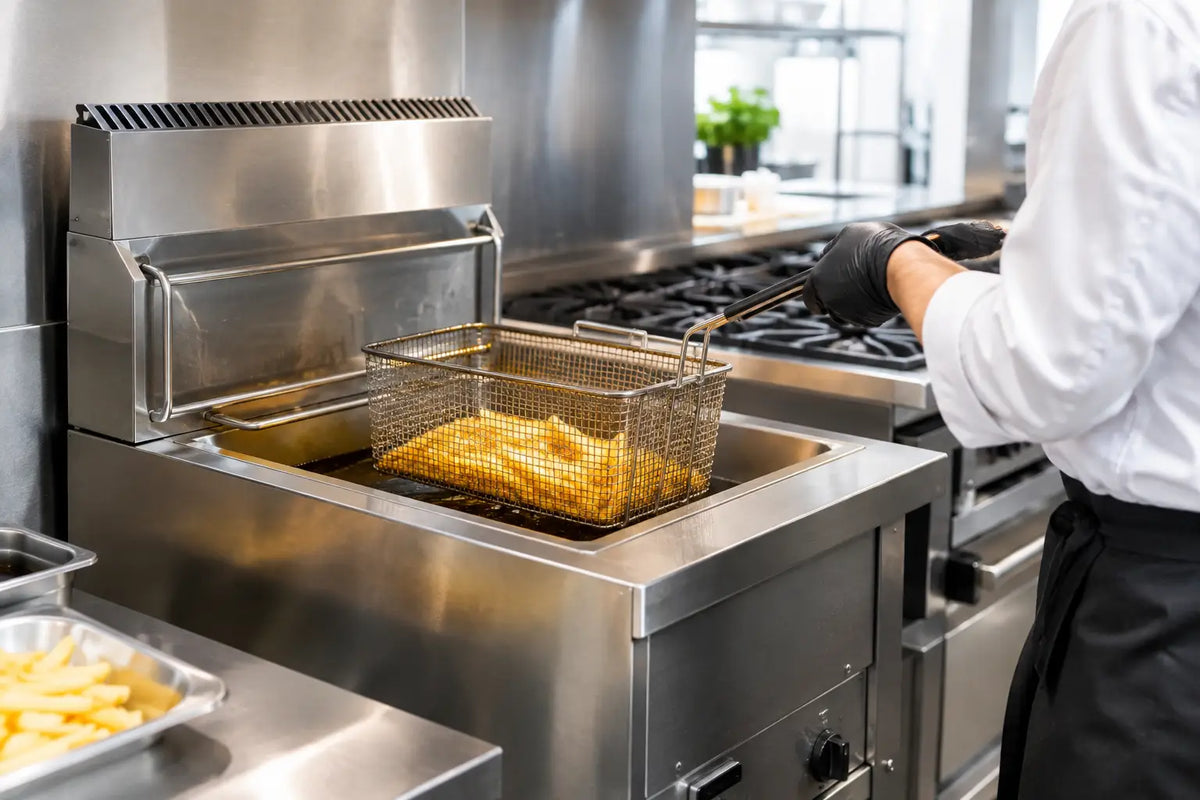
A fryer that cannot recover after a rush costs more than fuel. It slows ticket times, produces uneven color, and forces staff to work around the equipment. So, are gas fryers efficient? For many high-volume commercial kitchens, yes - especially when output, recovery speed, and the cost of energy in the local market matter more than a single utility bill line.
Gas fryers are not automatically the lowest-cost choice for every operation. Their efficiency depends on fryer design, burner output, idle time, filtration practices, load size, ventilation, and the food being cooked. A properly sized, well-maintained gas fryer can be an efficient production tool. An oversized unit left on all day or a poorly maintained fryer can waste substantial fuel and cooking oil.
What Efficiency Means in a Commercial Fryer
Restaurant operators should evaluate fryer efficiency in more than one way. The first measure is combustion or thermal efficiency: how much of the gas energy becomes usable heat in the frypot instead of leaving through the flue. Modern commercial gas fryers vary widely in this area. Open-pot models may have lower efficiency ratings than high-efficiency designs with improved heat exchangers, insulated frypots, or reduced flue losses.
The second measure is production efficiency. This is often more important during service. A fryer with strong recovery brings oil back to the set temperature quickly after cold product is added. Faster recovery protects cook times and product quality, allowing the kitchen to produce more orders per hour from the same footprint.
A third measure is oil efficiency. Stable temperature control and effective heat transfer reduce oil breakdown. That can extend usable oil life, reduce off-flavors, and lower one of the recurring costs of fried-food production. Fuel use matters, but oil, labor, and lost sales from slow service matter too.
Are Gas Fryers Efficient During Peak Service?
Gas fryers are particularly effective in operations that run frequent or heavy fry loads: quick-service restaurants, bars, caterers, chicken concepts, seafood operations, and busy diners. High-BTU burners provide the heat input needed to recover after baskets of frozen fries, breaded chicken, or other cold product enter the oil.
Recovery is not simply about choosing the fryer with the highest BTU rating. Frypot capacity, heat-exchanger design, burner configuration, and the manufacturer's stated production rating all affect real results. More input can improve recovery, but it can also increase energy use if the fryer is much larger than the operation needs.
For a kitchen that cooks continuously through lunch and dinner, a gas fryer can be a practical match because the unit is being used enough to justify its standby and preheat energy. In a low-volume café that fries only a few orders at a time, the same fryer may spend most of its day idling. In that case, a smaller fryer, a different production schedule, or an electric unit may offer better operating economics.
Fast Recovery Protects Food Quality
When oil temperature drops too far, food can absorb more oil, develop a pale finish, or cook inconsistently. Staff may compensate by extending cook times, which further reduces throughput. Strong recovery helps maintain the programmed temperature and makes results more repeatable from basket to basket.
This is why a lower-efficiency fryer on paper can still outperform another option in a demanding kitchen. If it maintains temperature and keeps orders moving with less labor intervention, its operational value may be stronger than its utility rating alone suggests.
Gas Versus Electric Fryers: The Practical Trade-Off
Electric fryers are often highly efficient at transferring energy into oil because heating elements sit directly in or close to the frypot. They can be an excellent choice where electrical capacity is available, utility pricing supports the decision, and the menu fits their production profile.
Gas fryers offer different advantages. Natural gas is commonly less expensive per unit of energy than electricity in many U.S. markets, though local rates decide the real comparison. Gas units are also familiar to many kitchen teams and can deliver the high recovery needed for continuous frying.
The best choice is not universal. Compare local utility costs, available gas and electrical service, hood requirements, anticipated peak loads, and the menu. A restaurant adding a fryer to an existing gas cooking line may find gas installation practical. A compact operation with limited ventilation or a focus on smaller, controlled batches may prefer electric equipment.
The Operating Factors That Determine Gas Fryer Efficiency
A commercial fryer performs according to how it is operated. The following practices usually have a larger effect on costs than small differences in nameplate ratings.
- Match fryer capacity to demand. A large floor fryer is not efficient when it is only used for a few baskets per hour. Use the smallest capacity that can reliably handle peak production, or separate products across appropriately sized frypots.
- Do not overload baskets. Excessive loads cause steep temperature drops, longer recovery, and greasy food. Batch sizes should match the fryer's rated production capacity.
- Filter oil on schedule. Crumbs and breading particles continue to cook in the oil, accelerating degradation and reducing heat transfer. Routine filtration improves product appearance and can help extend oil life.
- Maintain the heat-transfer system. Burner problems, clogged flues, damaged gaskets, and accumulated debris reduce performance. Qualified service and regular cleaning protect both safety and fuel efficiency.
- Use accurate temperature control. Verify the fryer thermostat with a reliable thermometer. Oil that runs hotter than the setpoint wastes energy and shortens oil life; oil that runs too cool slows production.
Idle Time Is a Hidden Cost
Many kitchens lose money by firing every fryer long before service begins and leaving them on long after the rush ends. Build startup and shutdown times around actual sales patterns. If the menu allows it, turn on secondary fryers only when demand requires the extra capacity.
Oil covers can help reduce heat loss during idle periods, provided they are used safely and according to the equipment instructions. More importantly, staff should avoid using a fryer as a holding station for baskets or allowing food debris to accumulate in the frypot.
Selecting an Efficient Gas Fryer for Your Menu
Start with product volume, not just the number of seats in the dining room. A small chicken counter may need more fryer capacity than a larger full-service restaurant where fried items are a minor part of the menu. Estimate the pounds or portions needed during the busiest 15-minute and one-hour periods, then compare those needs with manufacturer production ratings.
Frypot configuration matters as well. A single large frypot is useful for one high-volume product, such as fries. Multiple frypots allow product separation for seafood, chicken, vegetables, or allergen-sensitive items. Split pots can provide flexibility, but very small zones may not suit large batch cooking.
Also consider the labor built around the fryer. Built-in filtration systems, accessible drains, durable basket supports, clear controls, and easy-clean frypots can reduce handling time and improve consistency. These features do not eliminate the need for disciplined oil management, but they make disciplined procedures easier to follow during a busy shift.
For operators building or replacing a cooking line, commercial-grade gas fryers should be evaluated alongside the hood system, gas supply, floor space, and workflow from freezer to breading station to fryer to pass. Hakka Brothers equipment buyers often need that broader view because fryer performance is tied directly to the production line around it.
Calculate Cost Per Portion, Not Just Fuel Cost
The most useful calculation combines gas use, oil replacement, filtration supplies, labor, maintenance, and the number of sellable portions produced. A fryer that saves a small amount of gas but causes slower recovery or more frequent oil replacement may not be the lower-cost machine.
Track a normal week before replacing equipment. Record utility use where possible, gallons of oil purchased and discarded, average fry times, product waste, and periods when each fryer sits idle. Those numbers reveal whether the problem is equipment capacity, operating procedure, or an oil-management issue.
A gas fryer is efficient when it is sized for the menu, fired only when needed, maintained correctly, and operated with clean oil at the right temperature. Choose for reliable production first, then manage the daily details that turn fuel input into profitable, consistent food.
Keep exploring
All guides ↗
How to Reduce Prep Bottlenecks in Busy Kitchens
Reduce prep bottlenecks with workflow design, right-sized equipment, cold storage, and station planning that keep commercial kitchens producing daily.
Read the guide
Salad Spinner Not Drying Lettuce? Check Your Batch
Troubleshoot unevenly wet greens with practical loading, drainage and workflow checks, plus a fact-based comparison of Clivia 10 Qt and 20 Qt manual spinners.
Read the guide
Buffet Drink Station Setup: Cups, Clearance and Refills
Plan a buffet drink station around cup clearance, guest flow and refill access, with practical checks for Hakka 3-gallon and 5-gallon dispensers.
Read the guide
Join the conversation